How Arizona Heat Damages Asphalt (And What You Can Do About It)
Living in Southern Arizona means dealing with extreme temperatures for much of the year. While the desert climate is part of what makes Tucson unique, it's also one of the biggest challenges for asphalt surfaces.

Macias Ashphalt
Asphalt
Living in Southern Arizona means dealing with extreme temperatures for much of the year. While the desert climate is part of what makes Tucson unique, it's also one of the biggest challenges for asphalt surfaces.
From driveways and private roads to commercial parking lots, Arizona's intense heat can significantly accelerate asphalt deterioration if proper maintenance isn't performed. Understanding how heat affects asphalt can help property owners protect their investment and avoid costly repairs down the road.
How UV Exposure Damages Asphalt
One of the biggest threats to asphalt isn't traffic—it's the sun.
Arizona receives some of the highest levels of UV exposure in the country, and those ultraviolet rays slowly break down the oils and binders that keep asphalt flexible and durable. As these materials deteriorate, the surface begins to lose its rich black appearance and becomes more vulnerable to cracking and wear.
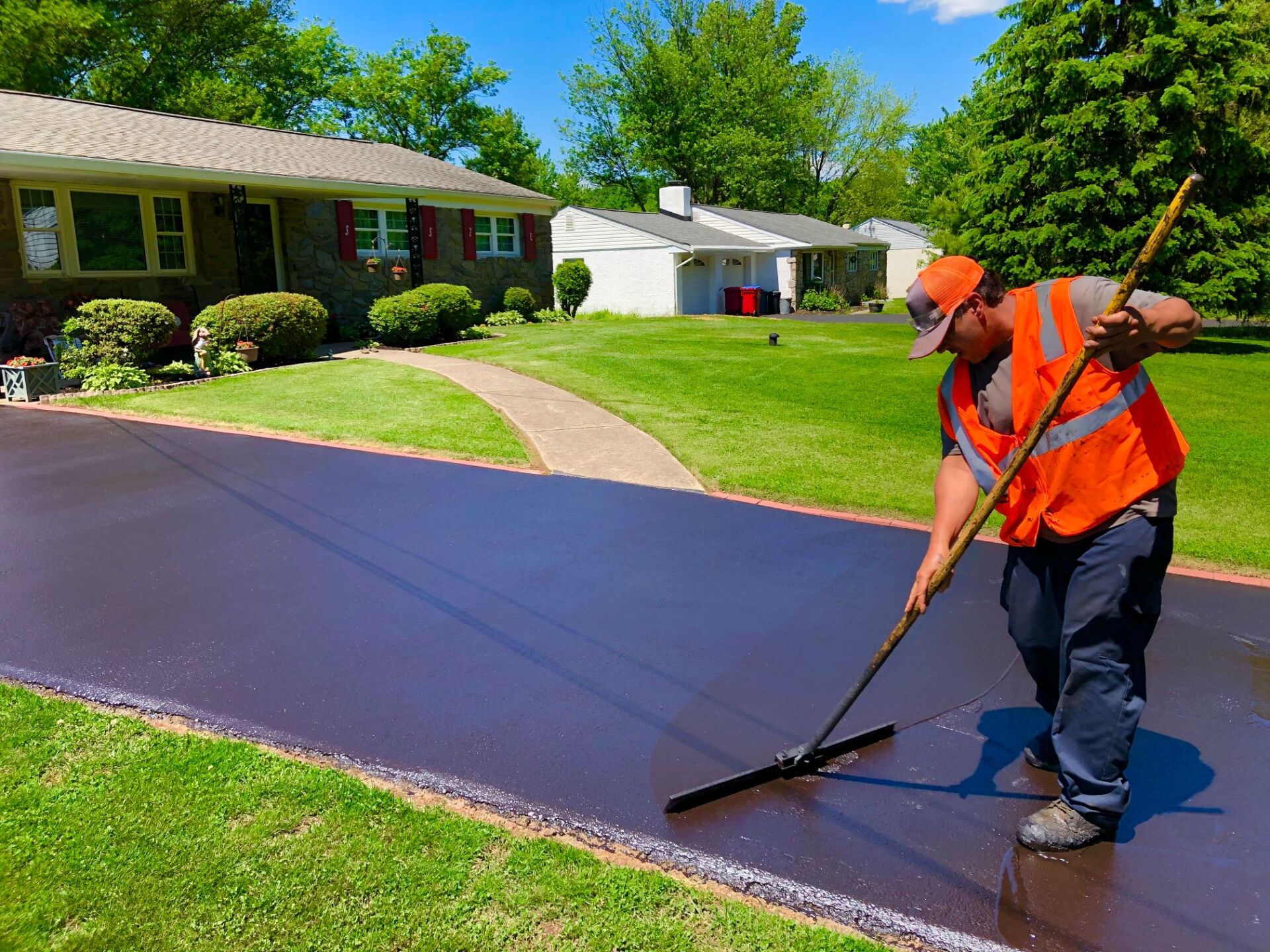
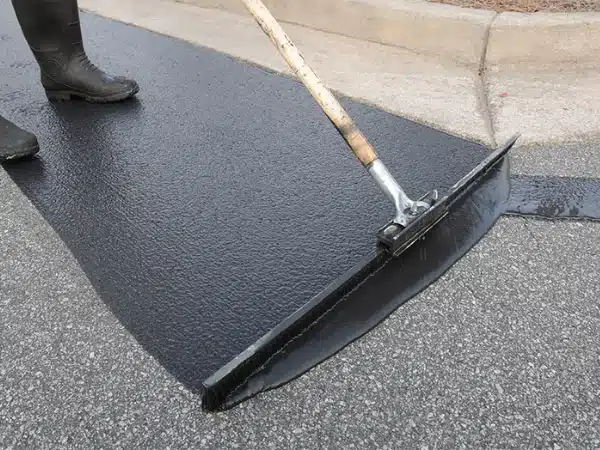
Regular sealcoating creates a protective barrier that helps shield asphalt from harmful UV rays while preserving its appearance and structural integrity.
Oxidation Slowly Weakens the Surface
As asphalt is exposed to sunlight and oxygen over time, a process called oxidation begins to occur.
Oxidation causes the asphalt to lose the natural oils that keep it flexible. As these oils break down, the pavement becomes increasingly dry and rigid. This is often why older asphalt surfaces appear gray, faded, and worn compared to newer pavement.
While oxidation is a natural part of aging, preventative maintenance can help slow the process and extend the lifespan of your asphalt.
Heat Causes Asphalt to Become Brittle
Many property owners assume heat makes asphalt softer, but long-term exposure often has the opposite effect.
As the surface loses moisture and essential binding materials, it becomes brittle and less capable of handling normal traffic and environmental stress. Once asphalt reaches this stage, small imperfections can quickly develop into larger cracks and surface damage.
Addressing minor issues through professional crack sealing can help prevent small fractures from expanding into more expensive repairs.
Expansion and Contraction Create Stress
Although Arizona is known for extreme daytime temperatures, the difference between daytime highs and nighttime lows can create additional stress on asphalt surfaces.
Asphalt naturally expands when temperatures rise and contracts as temperatures cool. This constant movement places stress on the pavement and can contribute to cracking over time, particularly in older surfaces that have already begun to deteriorate.
Once these cracks form, water can penetrate beneath the surface and accelerate damage even further.
Why Small Cracks Turn Into Bigger Problems
Many asphalt failures begin with a single crack.
Once moisture enters the pavement, it can weaken the foundation below the surface. Combined with vehicle traffic and continued temperature fluctuations, these cracks often spread and eventually lead to potholes, surface failures, and larger repair projects.
Prompt asphalt repair can often address these issues before they require more extensive restoration or replacement work.
Why Preventative Maintenance Matters
The good news is that asphalt deterioration isn't something property owners have to simply accept.
Routine maintenance can significantly extend the lifespan of asphalt surfaces while reducing long-term repair costs. Services such as sealcoating help protect against UV damage and oxidation, while crack sealing prevents water from entering the pavement and causing additional deterioration.
By addressing problems early and maintaining your asphalt regularly, you can improve appearance, increase durability, and maximize the return on your investment.
Protect Your Asphalt from Arizona's Harsh Climate
Arizona's heat is unavoidable, but costly asphalt damage doesn't have to be.
Understanding how sunlight, oxidation, temperature fluctuations, and surface wear affect asphalt is the first step toward protecting your property. With proper maintenance and timely repairs, asphalt surfaces can continue performing for years despite the challenges of the desert climate.
If your driveway, parking lot, or roadway is showing signs of wear, our team provides professional asphalt repair, crack sealing, and sealcoating services throughout Tucson, Sahuarita, Vail, Oro Valley, Green Valley, SaddleBrooke, Marana, Catalina, and Tanque Verde.
Contact us today for a free estimate and learn how we can help protect your asphalt investment.
Other blogs